 DMCA
DMCA
 FAQ
FAQ
 Webapp Installation
Body Contouring in Islamabad: Understanding Surgical and Non-Surgical Options
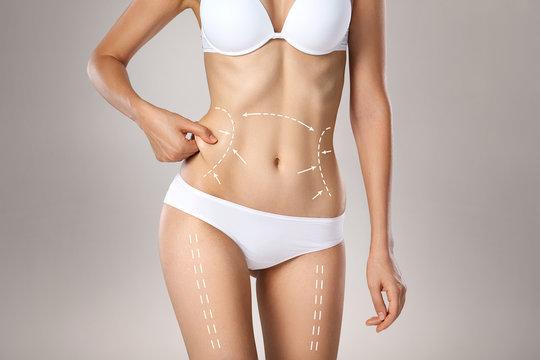
Body contouring has become a popular option for people who want to improve their body shape after weight loss, pregnancy, aging, or changes in body composition. Unlike general weight-loss methods, body contouring focuses on specific areas where stubborn fat, loose skin, or reduced skin firmness may remain. Body Contouring in Islamabad includes both surgical and non-surgical approaches, allowing treatment to be selected according to individual goals, body concerns, and recovery preferences.
What Is Body Contouring?
Body contouring refers to cosmetic procedures designed to reshape and improve the appearance of specific areas of the body. Surgical techniques can remove excess skin and fat, while non-surgical treatments may target localized fat or improve skin firmness without incisions.
These treatments are generally intended for body shaping rather than significant weight loss. Maintaining a stable weight and having realistic expectations can help patients achieve more predictable results.
Surgical Body Contouring Options
Surgical procedures may be appropriate when someone has considerable excess skin, stubborn fat, or significant changes in body shape that non-surgical treatments are unlikely to address effectively.
Common surgical options include:
- Liposuction: Removes localized deposits of excess fat to improve body contours.
- Tummy tuck: Removes excess abdominal skin and can tighten weakened abdominal tissues.
- Thigh lift: Reshapes the thighs by removing excess skin and improving contour.
- Arm lift: Addresses loose, sagging skin around the upper arms.
- Body lift: Can address excess skin around areas such as the abdomen, hips, buttocks, and thighs.
According to the American Society of Plastic Surgeons, surgical body contouring can be particularly useful following significant weight loss when the skin does not contract sufficiently around the reduced body size.
Non-Surgical Body Contouring Options
Non-surgical body contouring may be considered by people who have smaller areas of unwanted fat or mild skin laxity and prefer to avoid surgery. Depending on the treatment, technologies may use controlled cooling, heat, radiofrequency, or ultrasound to target fat cells or encourage skin tightening.
A major advantage of non-surgical treatments is generally reduced downtime compared with surgery. However, results can be more gradual, and multiple treatment sessions may sometimes be required. Non-surgical procedures also may not provide the same degree of correction as surgery when substantial loose skin is present.
Surgical vs Non-Surgical Body Contouring
The right approach depends on the concern being treated. Surgery may provide a more significant change when excess skin or larger amounts of localized fat are present, but it involves incisions, anesthesia, recovery, and potential surgical risks.
Non-surgical treatments can be appealing for people with mild contouring concerns who want less downtime. However, they are generally better suited to modest improvements rather than extensive skin removal.
A consultation is important because factors such as skin elasticity, body composition, previous weight changes, overall health, and desired results can influence which option is appropriate.
Who May Be a Good Candidate?
Candidates for body contouring are generally adults whose weight has stabilized, who are in reasonably good health, and who have realistic expectations. Healthy lifestyle habits are also important for maintaining results.
People considering surgery should also discuss their medical history, medications, previous procedures, allergies, and lifestyle factors during their consultation. Appropriate preparation and choosing a properly equipped surgical facility are important parts of safe treatment.
Risks and Recovery Considerations
Surgical body contouring carries potential risks, including bleeding, infection, blood clots, fluid accumulation, changes in skin sensation, scarring, and wound-healing problems. The specific risks vary according to the procedure and individual health factors.
Recovery also differs between procedures. Surgical treatments typically require more downtime, while many non-surgical options allow patients to return to everyday activities relatively quickly. Patients should follow their provider's instructions carefully and avoid expecting immediate final results.
Frequently Asked Questions
Is body contouring a weight-loss treatment?
No. Body contouring is primarily intended to reshape specific areas and address concerns such as localized fat or excess skin. It should not be considered a substitute for a healthy diet, exercise, or medically supervised weight management.
Which is better: surgical or non-surgical body contouring?
Neither option is universally better. Surgery may be more suitable for significant excess skin or larger contouring concerns, while non-surgical treatments may suit people seeking more modest improvements with less downtime.
How long do body contouring results last?
Results can be long-lasting when a person maintains a stable weight and healthy lifestyle. Significant weight fluctuations, pregnancy, aging, and other changes can affect the appearance of the treated areas.
Can body contouring remove loose skin?
Surgical procedures such as a tummy tuck, arm lift, thigh lift, or body lift can remove excess loose skin. Non-surgical treatments may improve mild skin laxity but generally cannot remove substantial amounts of excess skin.
How do I choose the right body contouring treatment?
A qualified consultation can help determine the most appropriate option based on your body shape, skin quality, health, treatment goals, and desired recovery time. Discussing expected results and potential risks before treatment is essential.
Final Thoughts
Body contouring offers several ways to improve body shape, ranging from surgical procedures that remove excess skin and fat to non-surgical treatments designed for more modest contouring. The best choice depends on individual concerns, expectations, health, and tolerance for downtime. If you are considering Body Contouring in Islamabad, a professional consultation can help you understand which approach may be appropriate for your specific needs and what results you can realistically expect.