
 DMCA
DMCA
 FAQ
FAQ
 Webapp Installation
GFC Treatment For Hair In Islamabad: Key Benefits for Thinning Hair
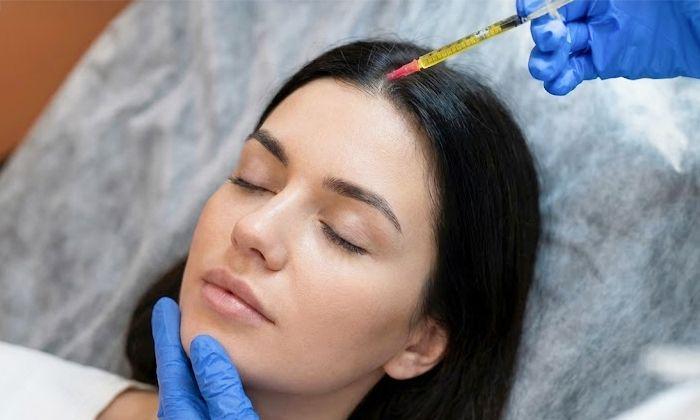
Hair thinning can gradually affect your appearance and confidence, especially when you notice more visible scalp, a widening part, or reduced hair volume. For people looking for non-surgical approaches, GFC Treatment For Hair In Islamabad has gained attention as a regenerative option designed to support weakened hair follicles. GFC, or Growth Factor Concentrate, uses growth factors derived from the patient’s own blood and delivers them into areas of the scalp affected by thinning. Early research suggests that growth-factor injections may improve hair density and thickness, although larger, high-quality studies are still needed.
What Is GFC Hair Treatment?
GFC stands for Growth Factor Concentrate. The treatment involves collecting a small blood sample and processing it to obtain a concentrate containing growth factors. These growth factors are then injected into selected areas of the scalp.
The aim is to provide biological signals around the hair follicles that may support follicular activity and improve the overall hair-growth environment. GFC is related to platelet-based therapies such as PRP, but preparation methods differ between systems and clinics.
Current research is encouraging but remains limited. A recent systematic review found improvements in hair density and thickness with autologous growth-factor injections, while also noting significant differences between studies and limitations in study quality.
Key Benefits of GFC for Thinning Hair
May Improve Hair Density
One of the main reasons people consider GFC is its potential to improve the appearance of thinning areas. Research has reported increases in hair density following growth-factor treatments, particularly in people with androgenetic or pattern hair loss.
However, results can vary depending on the cause and severity of hair loss. GFC should not be considered a guaranteed hair-regrowth solution.
May Support Thicker-Looking Hair
Hair thinning often involves miniaturization, where individual strands gradually become finer. Growth-factor therapy may help support the follicular environment and increase hair shaft thickness.
A recent systematic review reported improvements in hair thickness following autologous growth-factor injections, although the researchers emphasized that more standardized clinical trials are required.
Uses Your Own Blood
GFC is an autologous treatment, meaning the biological material is obtained from the patient's own blood. This can make it appealing to people who prefer treatments that do not rely on donor-derived materials.
Because the treatment uses the patient's own biological material, allergic reactions related to foreign substances are generally less of a concern. Nevertheless, injections can still cause temporary discomfort, redness, swelling, or tenderness.
Non-Surgical Approach
Unlike hair transplantation, GFC does not involve removing and implanting hair follicles. It is performed through injections into areas of the scalp affected by thinning.
This makes it a potentially convenient option for individuals who are not ready for surgical hair restoration. It can also be considered as part of a broader hair-loss management plan after appropriate evaluation.
May Help Reduce Visible Thinning
When hair density and thickness improve, thinning areas may become less noticeable. This can contribute to a fuller-looking scalp and improved cosmetic appearance.
It is important to have realistic expectations. GFC is generally more relevant when viable hair follicles are still present. Completely bald or scarred areas may require different treatment approaches.
Who May Benefit From GFC Treatment?
GFC may be considered for adults experiencing certain forms of early or moderate pattern hair loss. A consultation is important because thinning can have many causes, including genetics, nutritional deficiencies, hormonal changes, scalp disorders, medications, and temporary shedding.
A qualified hair-loss specialist can assess the scalp, determine the likely cause, and decide whether GFC is appropriate or whether another treatment would be more suitable.
What to Expect During GFC Treatment
A typical session begins with collecting a small amount of blood. The sample is processed to prepare the growth-factor concentrate. The prepared material is then administered into targeted scalp areas using fine injections.
The exact preparation method, number of injections, and treatment schedule can vary. Some clinical studies have used multiple sessions several weeks apart, so the appropriate schedule should be individualized rather than assumed to be the same for everyone.
Are There Any Side Effects?
GFC is generally described as minimally invasive, but temporary reactions can occur. These may include mild scalp tenderness, redness, swelling, or discomfort around injection sites.
As with any procedure involving injections, infection is a possible risk if appropriate hygiene and sterile techniques are not followed. Discuss your medical history, medications, allergies, and existing scalp conditions with the treating professional beforehand.
Frequently Asked Questions
Is GFC effective for thinning hair?
GFC may improve hair density and thickness in some people with pattern hair loss. Current evidence is promising, but researchers still consider the evidence limited because studies vary in quality and treatment protocols.
How many GFC sessions are needed?
The number of sessions depends on the cause and extent of hair thinning. Treatment plans are individualized, and some studies have evaluated multiple sessions several weeks apart. Your provider can recommend an appropriate schedule after examining your scalp.
Is GFC better than PRP?
GFC and PRP are related growth-factor-based treatments, but their preparation methods differ. Some research has reported favorable outcomes with GFC, while other studies show mixed results. There is currently not enough high-quality evidence to say that GFC is universally better than PRP.
When can I expect results from GFC?
Hair growth takes time because follicles follow a natural growth cycle. Some people may notice reduced shedding or changes in hair quality before visible density improves. Results should therefore be assessed over several months rather than immediately after treatment.
Can GFC completely regrow lost hair?
GFC cannot guarantee complete regrowth. Its potential is generally greater when hair follicles remain viable. Advanced hair loss or permanently damaged follicles may require other approaches, such as hair transplantation or medically guided hair-loss treatment.
Final Thoughts
GFC offers a non-surgical approach for people concerned about thinning hair and may help support hair density and thickness in suitable candidates. Current evidence is encouraging, but it is important to understand that GFC is not a guaranteed cure for every type of hair loss. Proper diagnosis, realistic expectations, and professional assessment are essential before treatment. For individuals considering GFC Treatment For Hair In Islamabad, discussing the cause and stage of hair loss with a qualified professional can help determine whether this therapy is an appropriate option.