
 DMCA
DMCA
 FAQ
FAQ
 Webapp Installation
Exosomes Hair Therapy In Islamabad: Is It Suitable for Men and Women?
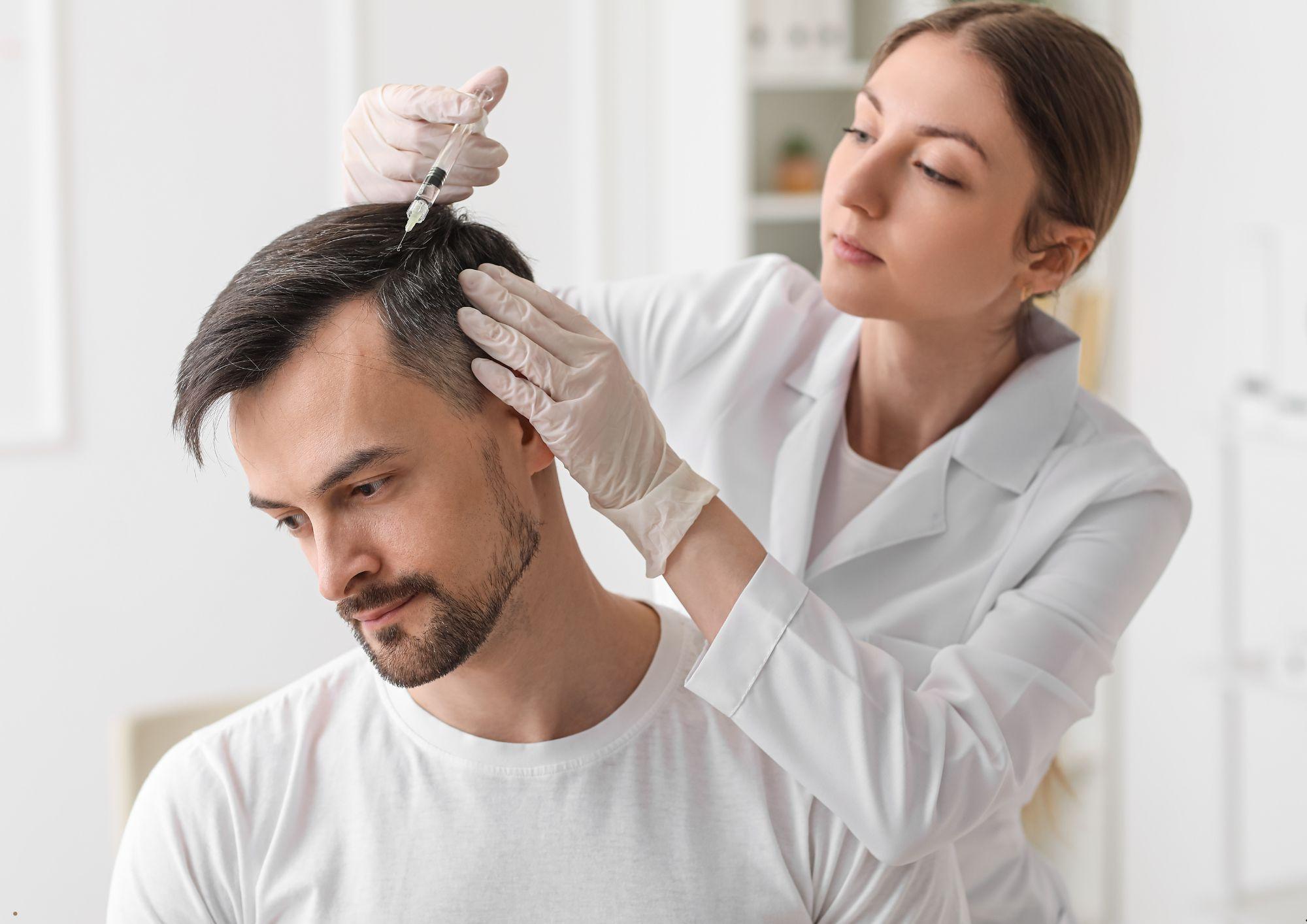
Hair thinning and hair loss can affect both men and women and may occur because of genetics, hormonal changes, stress, nutritional deficiencies, ageing, or certain medical conditions. As people look for modern approaches to support healthier-looking hair, regenerative treatments such as exosome therapy have gained attention.
Exosomes Hair Therapy In Islamabad is a non-surgical treatment that uses exosome-based products intended to support the scalp environment and hair follicles. While interest in this therapy continues to grow, suitability can vary from person to person. Understanding how the treatment works, who may benefit, and what to expect can help individuals make a more informed decision.
What Is Exosomes Hair Therapy?
Exosomes are tiny extracellular vesicles involved in cell-to-cell communication. In aesthetic and regenerative medicine, exosome-based preparations are being investigated for their potential role in supporting tissue repair and cellular communication.
For hair concerns, exosome therapy is generally intended to improve the scalp environment and support the function of existing hair follicles. It is usually considered a minimally invasive option because it does not involve traditional surgery or hair transplantation.
However, the exact composition and source of exosome products can differ. Patients should discuss the specific product and treatment protocol with a qualified professional before proceeding.
Is Exosome Hair Therapy Suitable for Men?
Yes, exosome-based hair treatments may be considered for men experiencing certain types of hair thinning. Male pattern hair loss is one of the most common causes of hair loss in men and is often associated with genetic and hormonal factors.
Men with early or moderate thinning may explore regenerative treatments as part of a broader hair-loss management plan. The goal is generally to support existing follicles rather than create completely new follicles where hair has been permanently lost.
A professional assessment is important because different causes of hair loss require different approaches. In some cases, conventional medical treatments or hair transplantation may be more appropriate.
Is Exosome Hair Therapy Suitable for Women?
Women can also experience hair thinning and may be candidates for exosome-based scalp treatments, depending on the underlying cause.
Female hair loss can be associated with hormonal changes, genetics, stress, nutritional issues, ageing, or certain health conditions. Because the causes can vary considerably, identifying the reason for hair loss is particularly important before selecting a treatment.
Women experiencing gradual thinning may discuss exosome therapy with a qualified practitioner to determine whether it is appropriate for their individual situation.
Potential Benefits of Exosome Hair Therapy
The potential advantages of exosome-based hair treatments are one reason they have attracted interest in regenerative aesthetics. Depending on the individual and treatment protocol, potential goals may include:
- Supporting the scalp environment
- Promoting healthier-looking hair
- Supporting existing hair follicles
- Improving the appearance of thinning areas
- Providing a non-surgical treatment option
- Requiring little downtime compared with surgical procedures
It is important to understand that results are not guaranteed. Research into exosome-based therapies for hair loss is still developing, and more high-quality clinical evidence is needed to establish their long-term effectiveness and safety.
What Happens During the Treatment?
The treatment process depends on the specific protocol used by the clinic. Generally, the scalp is assessed before treatment, and the area may be cleaned and prepared.
A topical anaesthetic may be used for comfort. The exosome preparation is then applied or delivered to targeted areas of the scalp using the chosen technique.
The procedure itself is typically shorter than a surgical hair restoration procedure. Patients can usually return to their normal activities relatively quickly, although aftercare instructions should be followed carefully.
Who May Not Be a Suitable Candidate?
Exosome therapy is not automatically suitable for everyone experiencing hair loss. A professional evaluation may be recommended for people with:
- Sudden or unexplained hair loss
- Active scalp infections or inflammation
- Certain underlying medical conditions
- Advanced hair loss with extensive follicle loss
- Allergies or sensitivities relevant to the treatment
- Expectations that the treatment cannot realistically achieve
A consultation can help determine whether exosome therapy is appropriate or whether another treatment would be more suitable.
What Results Can You Expect?
Results can vary according to age, the cause and extent of hair loss, follicle condition, overall health, and the treatment protocol. Some individuals may notice gradual improvements in hair quality or density, while others may see limited changes.
Hair growth is naturally slow, so results should not be judged immediately after treatment. Follow-up appointments may help monitor progress and determine whether additional sessions are recommended.
Frequently Asked Questions
Is exosome hair therapy suitable for both men and women?
Yes. Both men and women may be considered for exosome-based hair treatments, but suitability depends on the cause and severity of hair loss.
How long does an exosome hair treatment take?
The duration can vary depending on the treatment technique and the size of the area being treated. A practitioner can provide a more accurate estimate during consultation.
Is exosome hair therapy painful?
Most people experience minimal discomfort, although sensations can vary depending on the method used. A topical numbing product may be used to improve comfort.
How soon can I see results?
Hair growth takes time, so visible changes generally do not occur immediately. Results vary between individuals and should be evaluated over a longer period.
Can exosome therapy replace a hair transplant?
Not necessarily. Exosome therapy is generally intended to support existing follicles, whereas a hair transplant relocates hair follicles to areas with hair loss. The appropriate option depends on the individual's condition.
Final Thoughts
Exosome-based hair therapy is an emerging non-surgical option that may be considered by both men and women experiencing certain forms of hair thinning. However, individual suitability depends on the underlying cause of hair loss, follicle condition, treatment expectations, and overall health. Anyone considering Exosomes Hair Therapy In Islamabad should seek a professional assessment and discuss the potential benefits, limitations, risks, and available alternatives before treatment.