
 DMCA
DMCA
 FAQ
FAQ
 Webapp Installation
Liposuction for Beginners: A Complete Guide
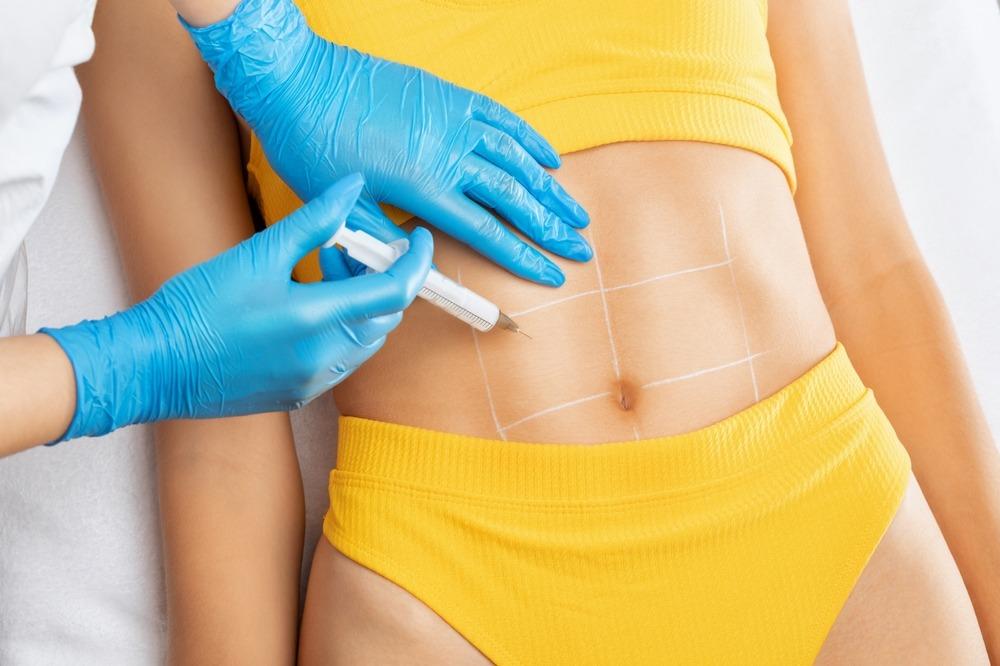
If you are new to cosmetic procedures and considering Liposuction Surgery, it’s important to start with a clear understanding of what the process involves. Liposuction is one of the most popular body contouring procedures designed to remove stubborn fat deposits that do not respond to diet and exercise. For beginners, knowing the basics can help reduce anxiety, set realistic expectations, and ensure you make an informed decision.
What is Liposuction:
Liposuction is a cosmetic surgical procedure that removes excess fat from specific areas of the body using a suction technique. It is not intended for overall weight loss but rather for shaping and contouring the body. Common areas treated include the abdomen, thighs, arms, back, and chin. The procedure is typically performed under anesthesia, and advancements in technology have made it safer and more efficient than ever before.
How Liposuction Works:
Liposuction works by inserting a thin tube called a cannula into the targeted area through small incisions. The cannula is used to break up fat cells, which are then suctioned out of the body. This process permanently removes fat cells from the treated areas. While the number of fat cells is reduced, maintaining the results depends on a healthy lifestyle. The procedure can be customized depending on the patient’s needs and the amount of fat being removed.
Who is a Good Candidate:
Not everyone is an ideal candidate for liposuction, and understanding eligibility is crucial for beginners. The best candidates usually have specific characteristics that increase the likelihood of successful results:
- Close to their ideal body weight
- Good skin elasticity
- Overall good physical health
- Non-smokers or willing to quit temporarily
- Realistic expectations about outcomes
People with significant weight issues or certain medical conditions may need alternative treatments or lifestyle changes before considering liposuction.
Types of Liposuction Techniques:
There are several techniques used in liposuction, each offering different benefits depending on the treatment area and patient goals. Some common types include:
- Tumescent liposuction, which uses a fluid solution to reduce pain and bleeding
- Laser-assisted liposuction, which helps liquefy fat for easier removal
- Ultrasound-assisted liposuction, which uses sound waves to break down fat cells
- Power-assisted liposuction, which uses vibration to improve precision
The choice of technique depends on factors such as the area being treated and the surgeon’s expertise.
Benefits of Liposuction:
Liposuction offers a range of benefits, especially for individuals struggling with stubborn fat deposits. These benefits include:
- Targeted fat removal from specific areas
- Improved body contour and shape
- Long-lasting results with proper maintenance
- Boost in confidence and self-image
- Quick visible improvements compared to diet alone
These advantages make liposuction an appealing option for those seeking noticeable changes in their appearance.
Risks and Considerations:
Like any surgical procedure, liposuction comes with certain risks that beginners should understand before making a decision. While complications are uncommon, it is important to be aware of possible issues:
- Swelling and bruising after the procedure
- Temporary numbness or discomfort
- Risk of infection if proper care is not followed
- Uneven contours or asymmetry
- Reactions to anesthesia
Choosing a qualified surgeon and following medical advice can significantly reduce these risks.
Preparing for Liposuction:
Preparation is a key step in ensuring a successful liposuction experience. Before undergoing Liposuction Surgery, patients are typically advised to:
- Stop smoking several weeks before the procedure
- Avoid medications that may increase bleeding
- Maintain a stable and healthy weight
- Arrange for post-surgery care and transportation
- Follow all instructions provided by the surgeon
Being well-prepared helps minimize complications and supports a smoother recovery process.
Recovery and Aftercare:
Recovery after liposuction varies depending on the extent of the procedure and individual healing capacity. Most patients can return to light activities within a few days, but full recovery may take several weeks. During this time, proper care is essential:
- Wear compression garments to reduce swelling
- Avoid strenuous activities for a period of time
- Keep incision sites clean and monitored
- Stay hydrated and maintain a healthy diet
- Attend follow-up appointments
Following these steps helps ensure optimal healing and better results.
Results and Long-Term Maintenance:
The results of liposuction become more visible as swelling subsides over time. Patients can expect improved body contours and a more proportionate appearance. However, maintaining these results requires ongoing effort. Healthy eating habits, regular exercise, and weight management are essential to prevent new fat accumulation. While liposuction removes fat cells permanently, remaining cells can still expand if a healthy lifestyle is not maintained.
Final Thoughts:
Liposuction can be a highly effective solution for individuals looking to enhance their body shape and eliminate stubborn fat. For beginners, understanding the procedure, benefits, risks, and recovery process is essential for making an informed choice. By consulting with a qualified professional and maintaining realistic expectations, you can achieve satisfying and long-lasting results that align with your personal goals.