


 DMCA
DMCA
 FAQ
FAQ
 Webapp Installation
Are Nylon Breathable Yoga Shorts Good for Daily Training
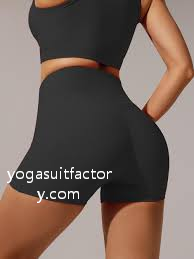
Daily training places different demands on activewear because clothing needs to remain comfortable through repeated movement, stretching, bending, walking, and periods of physical exertion. For people who practice yoga frequently, fabric choice can have a noticeable effect on the overall experience, especially during warm sessions when sweat and body heat build quickly.Breathable Yoga Shorts made with suitable nylon blends can offer a practical combination of softness, elasticity, moisture management, and durability, while YogasuitFactory provides a range of yoga and activewear products designed around these everyday requirements. But are nylon-based shorts really suitable for regular training?
Why Nylon Is Widely Used in Activewear
Nylon has become a familiar material in performance clothing because it can provide a smooth hand feel while maintaining useful strength and flexibility. During yoga, the fabric is exposed to repeated stretching as the wearer moves between standing poses, seated positions, twists, lunges, and deeper stretches. A suitable nylon construction can move with the body without feeling unnecessarily heavy.
Another useful characteristic is its ability to work with elastic fibers such as Spandex. Nylon on its own does not provide the full stretch required for many modern yoga garments, but a carefully developed blend can create a flexible fabric that follows body movement while recovering its shape after use. This balance is important for shorts because the garment needs to remain stable around the waist and legs while accommodating frequent changes in posture.
For everyday training, durability is also worth considering. Activewear is washed regularly and subjected to repeated stretching, so a fabric needs to handle ordinary wear without quickly losing its original appearance or structure. Nylon-based fabrics can be suitable for this type of repeated use when the material, knitting method, garment construction, and finishing process are properly selected.
Breathability During Regular Yoga Sessions
Breathability is not simply a feature associated with hot weather. Even a moderate yoga session can produce heat when movements continue without long pauses. A fabric that allows air circulation can help create a less stuffy wearing experience, particularly when combined with a lightweight construction.
The design of the garment also affects airflow. Waistbands, leg openings, fabric density, and overall fit all influence how the shorts feel during exercise. If a garment is excessively tight in certain areas, even a breathable material may not provide the expected comfort.
For brands developing yoga collections, this means that material selection should be considered alongside garment construction. A soft fabric with good stretch can still feel unsuitable if the waistband creates pressure or the cut restricts movement. The relationship between the textile and the finished design is therefore an important part of activewear development.
Moisture Management for Daily Training
Sweating is a normal part of physical activity, particularly when yoga is combined with strength exercises, Pilates, gym sessions, or outdoor workouts. Moisture management can influence how quickly clothing begins to feel damp against the skin.
Nylon fabrics can be developed with structures that support moisture movement and drying, while additional fiber combinations may influence the final performance. For daily users, this can be particularly useful because workout clothing may need to be washed and worn frequently.
However, moisture control should not be viewed as an isolated feature. A practical pair of yoga shorts needs a combination of fabric performance, airflow, stretch, fit, and construction. If one element is overlooked, the overall wearing experience may not match the intended use.
Stretch and Freedom of Movement
Yoga requires a wide range of motion, and shorts need to accommodate these movements without constantly shifting. During squats, hip-opening positions, forward folds, or dynamic transitions, the fabric around the hips and thighs needs to stretch naturally.
Spandex is often combined with nylon to provide additional elasticity. The exact blend can vary depending on the product's intended use and the desired level of compression. Some customers prefer a close-fitting style that follows the body, while others may favor a lighter silhouette with a relaxed feel.
The waistband deserves particular attention because it needs to remain secure without becoming uncomfortable. A well-developed waistband can help keep the garment positioned during movement, reducing the need for frequent adjustments. For brands, details such as waistband width, elastic recovery, rise, and seam placement can have a noticeable influence on the final product.
Comfort Beyond the Yoga Studio
One reason yoga shorts have become useful across different activewear categories is their versatility. A pair originally developed for yoga can also be worn for stretching, Pilates, gym exercises, cycling, warm-ups, or casual activities.
This versatility creates useful opportunities for brands that want to develop activewear with several applications. Instead of designing each garment for only one activity, manufacturers can work with fabric and construction choices that suit a broader range of movement.
The same principle applies to color and styling. A simple silhouette can work within a dedicated yoga collection while also fitting into a wider fitness range. Neutral shades, seasonal colors, different waistband treatments, and coordinated tops can help create a cohesive product selection.
Fit and Construction Matter
Material quality is only one part of the finished garment. The cut, stitching, waistband, leg opening, and seam position all contribute to the way shorts perform during exercise.
For yoga, unnecessary bulk around the hips can become distracting during seated or floor-based poses. Seams placed in sensitive areas may also create friction after extended wear. A thoughtful pattern can reduce these issues while maintaining the desired appearance.
Manufacturing consistency is particularly relevant for wholesale buyers. If the same style is produced across different batches, variations in measurements, fabric tension, stitching, or color can affect customer satisfaction. This is why production inspection should cover both the raw materials and finished garments.
A manufacturer with experience in activewear can also help buyers consider practical details before production begins. Fabric composition, size grading, waistband construction, logo placement, color selection, and packaging requirements can all be discussed as part of the product development process.
Nylon Shorts for Different Customer Groups
Not every customer wants the same type of yoga short. Some users prefer a sculpting silhouette, while others are looking for lightweight clothing for relaxed training. Some want a higher waistband, while others prefer a middle-rise design. The expected activity level and target market should influence these choices.
For an activewear brand, understanding these preferences can help shape a more focused product range. A collection might include a lightweight short for summer sessions, a supportive style for gym training, and a simple everyday option for customers who move between exercise and casual activities.
Customization can also help brands create a recognizable identity. Logo placement, color combinations, fabric choices, waistband details, and other components can be adjusted according to the intended market. OEM and private-label development is therefore not limited to putting a logo on an existing garment; it can involve adapting several product elements to create a consistent collection.
What Buyers Should Check Before Ordering
When evaluating yoga shorts for regular training, buyers can examine several practical areas. Fabric hand feel is important because the garment will remain close to the skin. Stretch recovery can indicate how the material behaves after repeated movement. Moisture management can influence comfort during active sessions, while waistband construction affects stability.
It is also useful to ask how garments are inspected during production. Checks for stitching, sizing, fabric defects, color consistency, and finishing can reduce the possibility of receiving products that do not meet the agreed specification.
For brands purchasing at wholesale volume, communication is equally important. Clear specifications can help manufacturers understand the intended market, target fit, preferred materials, branding requirements, and packaging expectations. A supplier that can discuss these points during development may make the product process easier to organize.
YogasuitFactory, operated by Jinhua Yongxing Knitting Co., Ltd., offers yoga and activewear categories that include fitted sports shorts and other coordinated products, with attention to fabric selection, customization, production control, and quality inspection. Brands considering Breathable Yoga Shorts for regular collections can explore the dedicated range at https://www.yogasuitfactory.com/ and discuss suitable fabric combinations, waist designs, branding details, and product specifications with Yongxing according to the needs of their target market.
Categories
Read More
The capacitive stylus market is on the brink of substantial expansion, anticipated to reach an impressive market size of USD 35.27 billion by 2035. This notable growth reflects a compound annual growth rate (CAGR) of 11.45%. Various factors, including advances in technology and shifting user preferences, are driving this remarkable trajectory. As digital art tools gain popularity, particularly...

Transformasi digital telah membawa perubahan besar pada cara orang mengakses hiburan melalui internet. Berbagai platform berbasis web kini dirancang untuk memberikan akses yang praktis melalui komputer, tablet, maupun smartphone. Salah satu istilah yang muncul dalam pencarian mengenai permainan slot online adalah iblbet login, yang berkaitan dengan pengalaman bermain melalui platform digital....

Admission in progress into federal university of environment and technology