
 DMCA
DMCA
 FAQ
FAQ
 Webapp Installation
Laparoscopic Surgery in Islamabad: Key Benefits You Should Know
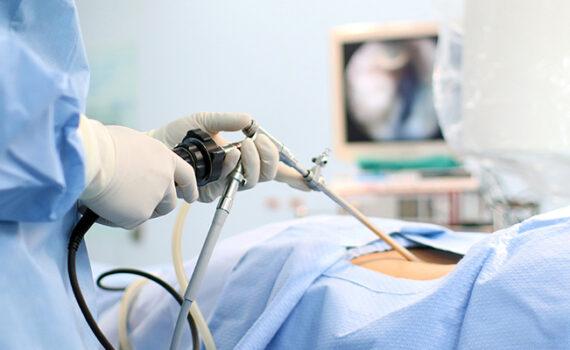
Laparoscopic surgery is a modern minimally invasive surgical technique that allows doctors to perform procedures through small incisions rather than one large opening. A thin camera called a laparoscope and specialized surgical instruments are inserted through these small openings, allowing the surgical team to view and treat the affected area. Because it generally causes less disruption to surrounding tissues than traditional open surgery, laparoscopy may offer several recovery advantages for suitable patients.
For patients considering Laparoscopic Surgery in Islamabad, understanding its potential benefits, limitations, and recovery expectations can help them make informed decisions with their healthcare provider.
What Is Laparoscopic Surgery?
Laparoscopic surgery is a type of minimally invasive surgery commonly used for procedures involving the abdomen and pelvis. Instead of making a large incision, the surgeon creates several small openings. A camera provides an enlarged view of the surgical area on a monitor, while specialized instruments are used to perform the procedure.
Depending on the medical condition and procedure required, laparoscopy may be used for surgeries involving the gallbladder, gastrointestinal system, reproductive organs, kidneys, and other areas. However, not every patient or procedure is suitable for this approach.
Smaller Incisions and Less Visible Scarring
One of the most recognized benefits of laparoscopic surgery is the use of small incisions. Traditional open surgery may require a larger incision, while laparoscopic procedures generally use several smaller openings.
Smaller incisions can result in smaller scars and may reduce the amount of tissue disruption during surgery. Once healed, these scars are often less noticeable than the larger scar associated with many open procedures.
Potentially Less Post-Surgical Pain
Because laparoscopic surgery involves smaller cuts and generally causes less disruption to surrounding tissues, patients may experience less postoperative discomfort than with some open surgical approaches.
However, the amount of pain depends on the specific procedure, individual health, anesthesia, and other factors. Patients should follow their healthcare provider's instructions regarding pain management and recovery.
Faster Recovery
Another important advantage is the potential for a quicker recovery. Minimally invasive procedures can reduce the physical impact of surgery, which may allow suitable patients to return to normal activities sooner than they might after comparable open surgery.
The actual recovery period varies depending on the type of operation, overall health, and whether any complications occur. A healthcare professional can provide a more personalized recovery timeline.
Shorter Hospital Stay
Many laparoscopic procedures can involve a shorter hospital stay compared with traditional open surgery. Some procedures may even be performed on an outpatient basis, allowing suitable patients to return home after observation and recovery from anesthesia.
A shorter hospital stay can also make recovery more convenient and may help patients resume their daily routines sooner.
Lower Risk of Certain Complications
Minimally invasive surgery is generally associated with fewer complications in appropriate cases, although it is important to remember that every surgical procedure carries risks.
Possible complications can include bleeding, infection, anesthesia-related problems, or injury to nearby structures. Laparoscopic surgery does not eliminate these risks, and some procedures may need to be converted to open surgery when necessary for patient safety.
Better Visualization During Surgery
The laparoscope contains a small camera that allows the surgical team to see the operating area on a monitor. This provides a magnified view of internal structures and helps guide the surgeon's instruments.
In some advanced minimally invasive procedures, technology such as robotic assistance may provide additional visualization, precision, and instrument control.
Who May Benefit From Laparoscopic Surgery?
Laparoscopic surgery may be considered for patients who need certain surgical procedures and meet the appropriate medical criteria. The decision depends on the condition being treated, previous surgeries, anatomy, overall health, and the surgeon's assessment.
A consultation and appropriate diagnostic evaluation are important before choosing a surgical technique. Patients should discuss the benefits and possible risks of laparoscopic and open surgery before making a decision.
FAQs About Laparoscopic Surgery
Is laparoscopic surgery safer than open surgery?
Laparoscopic surgery can have advantages such as smaller incisions, less pain, and shorter recovery in suitable cases. However, safety depends on the individual patient and procedure.
How long does laparoscopic surgery take?
The duration varies significantly depending on the type and complexity of the surgery. Your healthcare provider can give you a more accurate estimate after evaluating your condition.
How long is recovery after laparoscopic surgery?
Recovery differs from person to person and depends on the procedure performed. Many patients recover faster than they would after comparable open surgery, but complete healing can still take time.
Are laparoscopic surgery scars permanent?
Laparoscopic procedures generally leave small scars. They may fade considerably as they heal, although their final appearance varies from person to person.
Is laparoscopic surgery suitable for everyone?
No. Laparoscopic surgery is not appropriate for every patient or every condition. Your surgeon will determine whether it is a suitable option after reviewing your medical history and surgical needs.
Final Thoughts
Laparoscopic surgery has become an important minimally invasive approach because it can provide benefits such as smaller incisions, potentially less pain, shorter hospital stays, and faster recovery for appropriately selected patients. If you are considering Laparoscopic Surgery in Islamabad, discuss your condition, available surgical options, expected recovery, and potential risks with a qualified healthcare professional before proceeding.