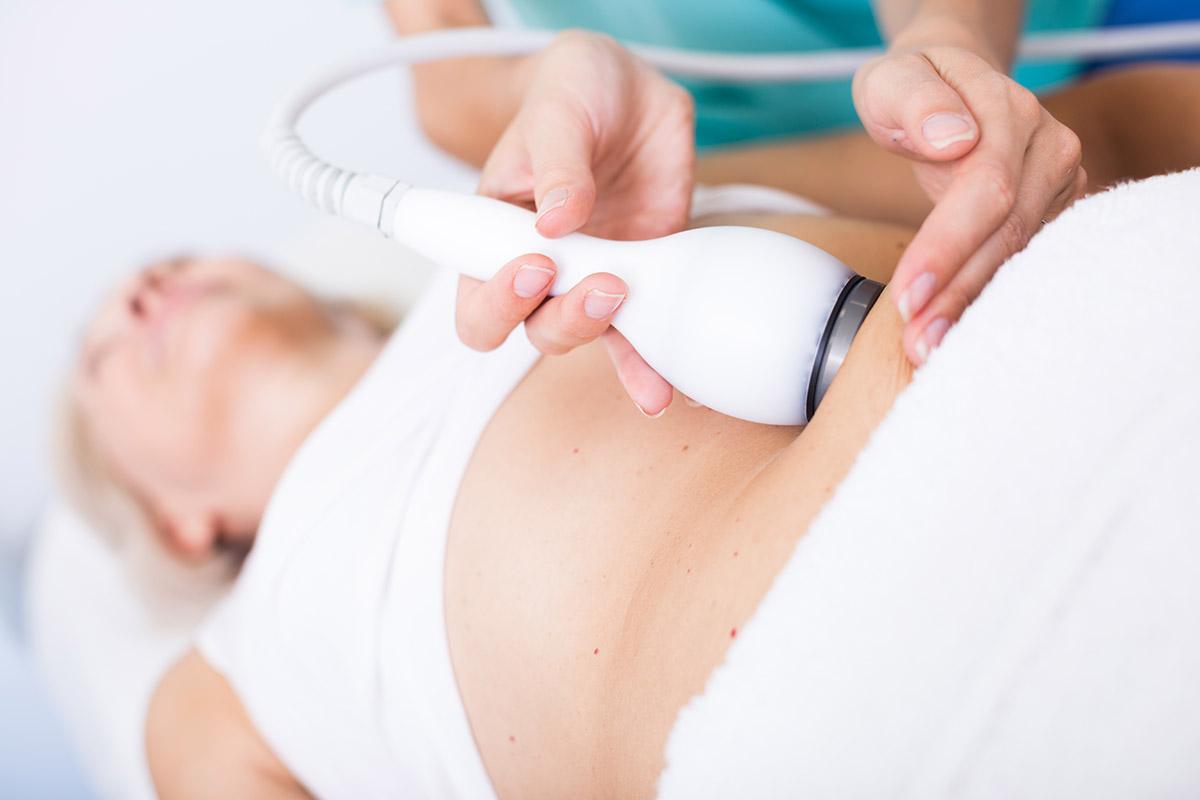
Deciding whether body contouring treatments are worth the investment often comes down to expectations, lifestyle, and understanding what the procedures can realistically achieve. Non Invasive Fat Removal has gained widespread popularity as a safer, more convenient alternative to surgery, offering gradual fat reduction without incisions, anesthesia, or long recovery periods. However, like any cosmetic treatment, its value depends on individual goals and how well patients understand both its strengths and limitations.
What Non-Invasive Fat Removal Actually Delivers:
Non-surgical fat reduction is designed to target stubborn fat pockets rather than produce dramatic weight loss. It works by using controlled energy to break down fat cells, which are then naturally eliminated by the body. Typical outcomes include:
- Gradual reduction in localized fat
- Improved body contour and shape
- Subtle, natural-looking results
- Minimal disruption to daily routine
These results are best appreciated over time rather than immediately after treatment.
Key Benefits That Make It Appealing:
One of the main reasons people choose non-invasive treatments is the combination of safety, convenience, and effectiveness. These procedures are particularly appealing for individuals with busy lifestyles. Key benefits include:
- No surgery, anesthesia, or incisions required
- Minimal to no downtime after treatment
- Lower risk compared to surgical procedures
- Comfortable experience with mild sensations only
- Gradual results that look natural
These advantages make it a practical option for many individuals seeking body refinement.
Limitations You Should Honestly Consider:
While effective, non-surgical fat reduction is not a miracle solution. Understanding its limitations is essential for making an informed decision. Important considerations include:
- Not suitable for large-scale weight loss
- Results vary depending on body type
- Multiple sessions may be required
- Maintenance depends on lifestyle habits
- Slower results compared to surgery
Recognizing these factors helps set realistic expectations from the beginning.
Who Is Most Likely to Benefit:
Not everyone is an ideal candidate for non-invasive procedures, and selecting the right individuals is key to satisfaction. The best candidates typically:
- Are close to their ideal body weight
- Have stubborn fat resistant to diet and exercise
- Maintain a generally healthy lifestyle
- Prefer non-surgical approaches
- Expect gradual rather than immediate results
This ensures the treatment aligns with their body goals.
Cost vs Value Perspective:
Evaluating whether the treatment is worth it often depends on how patients perceive value rather than just cost. While pricing can vary, factors influencing value include:
- Number of sessions required for results
- Area and size of treatment zones
- Technology used in the procedure
- Long-term maintenance needs
- Comparison with surgical alternatives
For many, the convenience and safety justify the investment.
Comfort, Safety, and Experience:
One of the strongest arguments in favor of non-invasive fat reduction is the patient experience. These treatments are designed to be comfortable and low-risk. Common aspects include:
- Mild sensations such as cooling or warmth
- No anesthesia or surgical risks
- Quick return to daily activities
- Minimal side effects like temporary redness or swelling
- High tolerance among most patients
This makes it especially appealing for first-time cosmetic treatment users.
Results Timeline and Realistic Expectations:
Understanding when results appear is crucial for satisfaction. Non-surgical fat reduction works gradually as the body processes fat cells naturally. Typical timelines include:
- Initial changes within a few weeks
- Continued improvement over 2–3 months
- Progressive fat reduction over multiple sessions
- Subtle and natural enhancement of body shape
Patience plays a major role in the perceived success of the treatment.
Importance of Lifestyle in Long-Term Success:
Even though treatments reduce fat cells, maintaining results depends heavily on lifestyle choices. Without proper habits, remaining fat cells can still expand. Key factors include:
- Balanced and nutrient-rich diet
- Regular physical activity
- Proper hydration and sleep
- Stress management and hormonal balance
Healthy routines significantly enhance long-term outcomes.
Comparing It to Surgical Alternatives:
When comparing non-invasive treatments to surgical options, the differences are significant in both process and outcome. Key contrasts include:
- Surgery offers immediate and dramatic results
- Non-invasive methods provide gradual improvements
- Surgery involves downtime and recovery
- Non-invasive treatments require no recovery period
- Risk levels are significantly lower for non-surgical options
Each approach serves different needs and expectations.
Common Misconceptions About Effectiveness:
Many people misunderstand what non-surgical fat reduction can and cannot do. Clearing these myths is important for informed decisions. Common misconceptions include:
- Believing it replaces weight loss programs
- Expecting instant transformation
- Assuming results are identical for everyone
- Thinking lifestyle does not affect outcomes
In reality, results depend on multiple personal factors.
The Future of Non-Surgical Body Contouring:
The field continues to evolve, with new technologies improving precision, comfort, and effectiveness. Future developments include:
- AI-assisted personalized treatment plans
- Faster and more efficient devices
- Combination therapies for enhanced results
- Improved skin tightening integration
As innovation continues, Non Invasive Fat Removal is becoming more refined and widely accessible.
Final Thoughts:
Whether non-surgical fat reduction is worth it ultimately depends on personal goals, expectations, and lifestyle commitment. Non Invasive Fat Removal offers a safe, convenient, and effective way to reduce stubborn fat, but it is not a quick fix or replacement for healthy habits. For individuals seeking gradual, natural-looking improvements without surgery, it can be a highly valuable option. When approached with realistic expectations, it delivers meaningful results that enhance both body confidence and overall satisfaction.



 DMCA
DMCA
 FAQ
FAQ
 Webapp Installation